
PROCESS & TECHNOLOGY
PROCESS & TECHNOLOGY
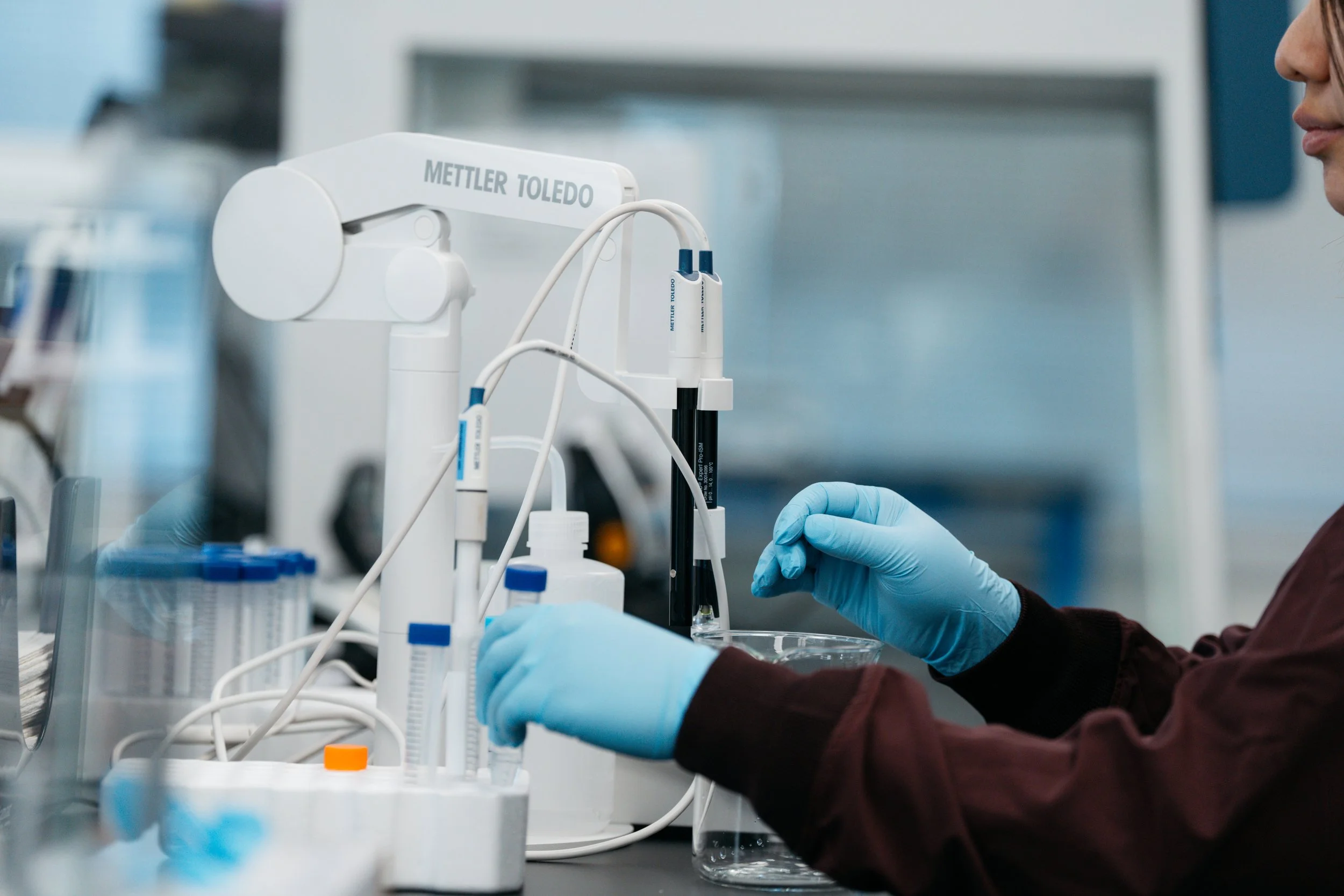
Precision Processing for Biological Integrity
Our manufacturing process is designed to preserve the nutritional complexity of animal tissues through controlled pre-treatment, freeze drying, cryogenic milling, and stability-focused packaging.
Designed to Preserve What Matters
Animal-based ingredients are biologically complex. Processing must protect heat-sensitive vitamins, cofactors, peptides, enzymes, and native tissue structure.
AAN’s process is designed to minimize thermal exposure, oxidation, and structural degradation at every stage.
4-Stage Process
STAGE 1
Pre-treatment and Grinding
A gentle thawing of the organ occurs with the help of light agitation, combined with an FDA approved antimicrobial agent.
The organ retains its high level of natural vitamins and minerals while removing any harmful microbes associated with the organ harvesting process.
STAGE 2
Freeze Drying
Using vacuum freeze drying, moisture is removed at low temperature following a rapid freeze. The result is a dry, shelf stable organ crumble with minimal processing and no added preservatives.
STAGE 3
Milling
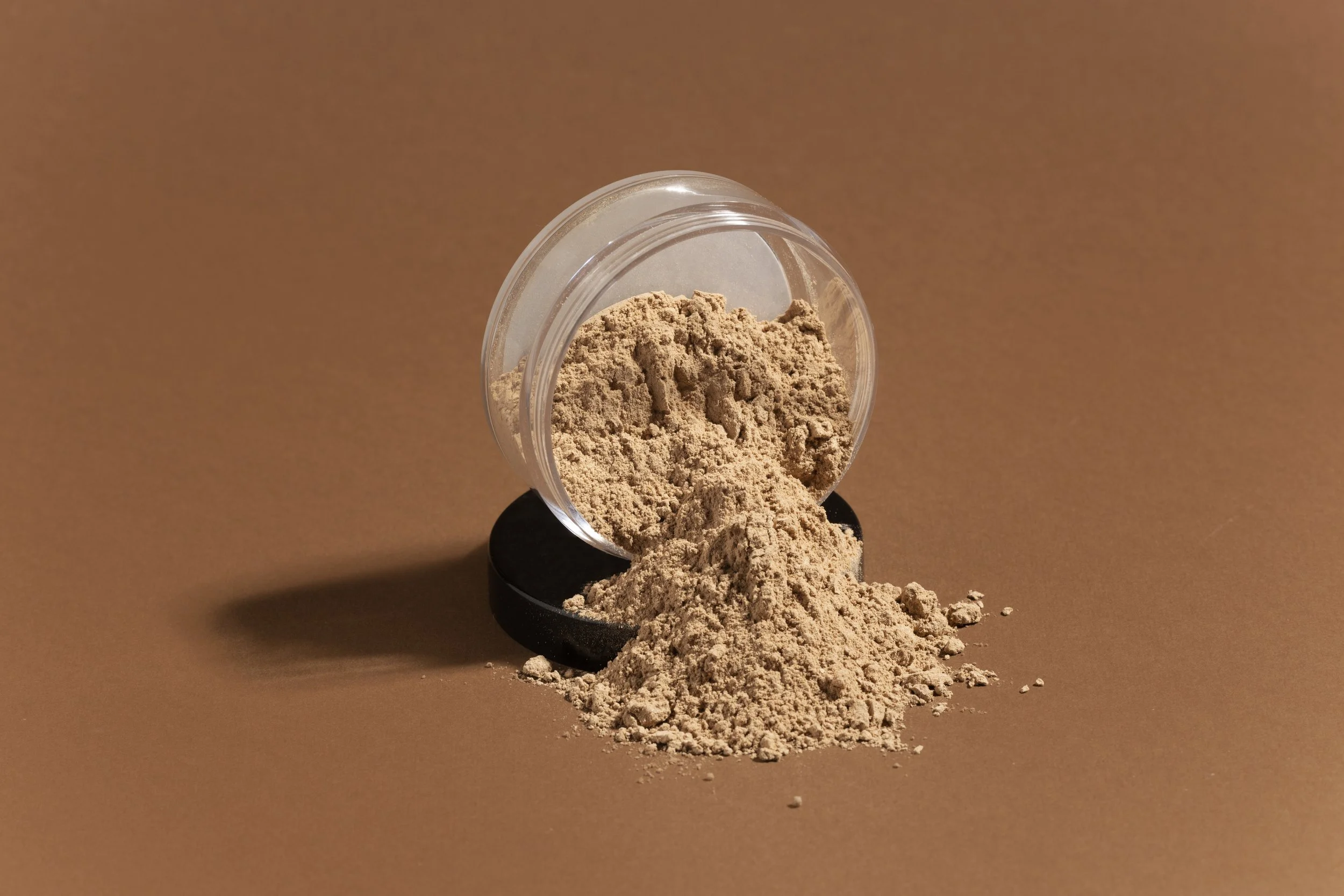
Using liquid nitrogen, our cryogenic hammer mill keeps temperatures around −200 °F during sizer eduction, helping to protect heat-sensitive nutrients. The powder is subsequently sifted, producing a consistent, easy-to-dose ingredient.
STAGE 4
Final Packaging
Under temperature and humidity-controlled conditions, powder is packaged into a range of container sizes, ranging from 10kg boxes to 50kg fiber drums.
Why Freeze Drying
Freeze drying is the preferred drying method for high-value animal-based ingredients because it removes moisture under low-temperature vacuum conditions, helping preserve nutrient density, native matrix structure, and ingredient stability.
Drying Technology Comparison
Freeze Drying: highest nutrient retention, minimal oxidation risk, best support for clean-label positioning.
Vacuum Drying: moderate heat exposure, medium oxidation risk, partial nutrient loss.
Air Drying: high heat exposure, high oxidation risk, greater loss of heat-sensitive nutrients.
Spray Drying: very high heat exposure, high risk of denaturation and significant nutrient loss.